Buy buxusrups.eu ?
We are moving the project
buxusrups.eu .
Are you interested in purchasing the domain
buxusrups.eu ?
domain@kv-gmbh.de · 0541-91531010
Buy buxusrups.eu ?
What is the difference between energy conservation and momentum conservation?
Energy conservation refers to the principle that the total energy in a closed system remains constant over time, meaning energy cannot be created or destroyed, only transferred or converted. Momentum conservation, on the other hand, states that the total momentum of a closed system remains constant if no external forces are acting on it. While energy conservation focuses on the total energy of a system, momentum conservation focuses on the total momentum of a system. Both principles are fundamental in understanding and analyzing physical systems, but they address different aspects of motion and energy transfer. **
What is energy conservation?
Energy conservation refers to the practice of reducing the amount of energy used while still achieving the same level of productivity or comfort. This can be achieved through various methods such as using energy-efficient appliances, improving insulation in buildings, and reducing unnecessary energy consumption. Energy conservation is important in order to reduce greenhouse gas emissions, lower energy costs, and preserve natural resources for future generations. **

Similar search terms for Conservation
Top-Angebote
Products related to Conservation:
-
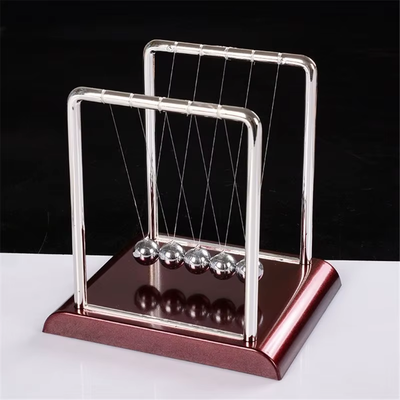
Inspire Daily Merch Newton Balance Pendulum Ball, Physical Science Toy, Energy Conservation Law Desktop Decoration For Office, Holiday Gift bDiscover the Fascinating World of Physics with the Newton Balance Pendulum Ball This Physical Science Toy is more than just a decorationit's a fun, interactive way to experience the Energy Conservation Law. Perfect for science enthusiasts, this...37,97 $*Shipping: 0,00 $Secure redirect to the provider
-
N.V. Perricone Haircare Damage Defense Treatment Leave-In Spray 150mLA hair-care product. It a weightless daily leave-in spray that hydrates dry, fragile hair while providing essential protection against heat, UV damage, and color fading. Hydrates and fortifies dry, fragile hair. Protects against heat and UV damage. Reduces color fading for vibrant hair. Improves manageability and smoothness.20,91 £*Shipping: 7,11 £Secure redirect to the provider
-
Novex Acid Control Anti-Damage Hair Acidifier 240gA facial cream. It designed to rebalance the pH of hair, sealing the cuticles for enhanced strength, shine, and a healthy appearance from the very first application. Rebalances hair pH and seals cuticles. Reduces porosity and frizz. Strengthens and thickens damaged strands. Repairs chemical damage with immediate effect.8,20 £*Shipping: 7,11 £Secure redirect to the provider
-
Inspired Deals Rechargeable Ultrasonic Mouse & Bat Repellent Pest Control Device Bird RepellerSay goodbye to unwanted pests invading your space with a smart, chemicalfree solution designed for modern living. The ultrasonic mouse repellent technology works silently in the background, helping create an uncomfortable environment for rodents and...44,97 $*Shipping: 0,00 $Secure redirect to the provider


-
What does charge conservation mean?
Charge conservation means that the total electric charge in a closed system remains constant over time. This principle is based on the fact that electric charge cannot be created or destroyed, only transferred from one object to another. In other words, the total amount of positive charge in a system must equal the total amount of negative charge. Charge conservation is a fundamental principle in physics and is essential for understanding the behavior of electric and magnetic fields. **
-
What kind of shrub pest is this?
This is a picture of a boxwood shrub infested with boxwood leafminer. The boxwood leafminer is a common pest of boxwood shrubs and is the larvae of a small fly. The larvae tunnel through the leaves, causing them to turn brown and eventually drop from the plant. This pest can cause significant damage to boxwood shrubs if left untreated. **
-
What is the conservation of energy?
The conservation of energy is a fundamental principle in physics that states that energy cannot be created or destroyed, only transferred or transformed from one form to another. This means that the total energy in a closed system remains constant over time. In other words, energy can change from potential to kinetic, thermal, or other forms, but the total amount of energy in the system remains the same. This principle is crucial in understanding and analyzing various physical phenomena and is a cornerstone of many scientific theories and laws. **
-
Are slugs protected under species conservation?
Slugs are not typically protected under species conservation laws. They are not considered endangered or threatened species, and are often seen as pests due to their tendency to feed on plants in gardens. However, some species of slugs may be protected in certain regions if they are considered to be of ecological importance or facing threats to their populations. It is important to check local conservation laws and regulations to determine the status of slugs in a specific area. **

What are tasks for energy conservation?
Tasks for energy conservation include reducing energy consumption by turning off lights and electronics when not in use, using energy-efficient appliances and light bulbs, improving insulation and sealing air leaks in buildings, and using renewable energy sources such as solar or wind power. Additionally, practicing energy-saving habits such as adjusting thermostats, using natural light, and minimizing water usage can also contribute to energy conservation efforts. Overall, the goal is to reduce energy waste and promote sustainable energy practices to minimize environmental impact and save on energy costs. **
Are jellyfish protected by conservation laws?
Jellyfish are not typically protected by conservation laws in the same way that other species are. This is because jellyfish populations are not currently at risk of extinction and are considered to be abundant in many parts of the world. However, some specific species of jellyfish may be protected in certain regions due to their ecological importance or cultural significance. Overall, jellyfish conservation efforts tend to focus on understanding their role in marine ecosystems and mitigating the impacts of human activities on their populations. **
Top-Angebote
Products related to Conservation:
-
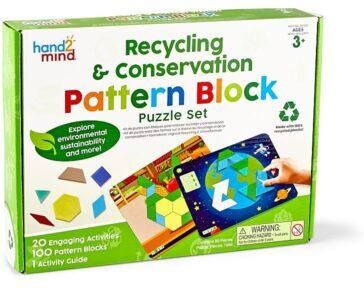
Scholastic Recycling & Conservation Pattern Block Puzzle SetFrom planting flowers to using less water, this set helps children learn the basics of sustainability and our environment. Children complete the 20 engaging activities, and the included Activity Guide provides tips on how to live a more sustainable...24,99 $*Shipping: 0,00 $Secure redirect to the provider
-
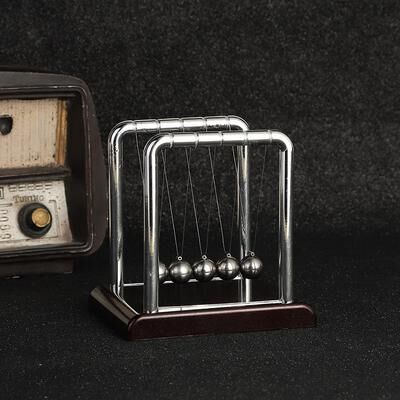
Inspire Daily Merch Newton Balance Pendulum Ball, Physical Science Toy, Energy Conservation Law Desktop Decoration For Office, Holiday Gift bDiscover the Fascinating World of Physics with the Newton Balance Pendulum Ball This Physical Science Toy is more than just a decorationit's a fun, interactive way to experience the Energy Conservation Law. Perfect for science enthusiasts, this...37,97 $*Shipping: 0,00 $Secure redirect to the provider
-
N.V. Perricone Haircare Damage Defense Treatment Leave-In Spray 150mLA hair-care product. It a weightless daily leave-in spray that hydrates dry, fragile hair while providing essential protection against heat, UV damage, and color fading. Hydrates and fortifies dry, fragile hair. Protects against heat and UV damage. Reduces color fading for vibrant hair. Improves manageability and smoothness.20,91 £*Shipping: 7,11 £Secure redirect to the provider
-
What is the difference between energy conservation and momentum conservation?
Energy conservation refers to the principle that the total energy in a closed system remains constant over time, meaning energy cannot be created or destroyed, only transferred or converted. Momentum conservation, on the other hand, states that the total momentum of a closed system remains constant if no external forces are acting on it. While energy conservation focuses on the total energy of a system, momentum conservation focuses on the total momentum of a system. Both principles are fundamental in understanding and analyzing physical systems, but they address different aspects of motion and energy transfer. **
-
What is energy conservation?
Energy conservation refers to the practice of reducing the amount of energy used while still achieving the same level of productivity or comfort. This can be achieved through various methods such as using energy-efficient appliances, improving insulation in buildings, and reducing unnecessary energy consumption. Energy conservation is important in order to reduce greenhouse gas emissions, lower energy costs, and preserve natural resources for future generations. **
-
What does charge conservation mean?
Charge conservation means that the total electric charge in a closed system remains constant over time. This principle is based on the fact that electric charge cannot be created or destroyed, only transferred from one object to another. In other words, the total amount of positive charge in a system must equal the total amount of negative charge. Charge conservation is a fundamental principle in physics and is essential for understanding the behavior of electric and magnetic fields. **
-
What kind of shrub pest is this?
This is a picture of a boxwood shrub infested with boxwood leafminer. The boxwood leafminer is a common pest of boxwood shrubs and is the larvae of a small fly. The larvae tunnel through the leaves, causing them to turn brown and eventually drop from the plant. This pest can cause significant damage to boxwood shrubs if left untreated. **
Similar search terms for Conservation
-
Novex Acid Control Anti-Damage Hair Acidifier 240gA facial cream. It designed to rebalance the pH of hair, sealing the cuticles for enhanced strength, shine, and a healthy appearance from the very first application. Rebalances hair pH and seals cuticles. Reduces porosity and frizz. Strengthens and thickens damaged strands. Repairs chemical damage with immediate effect.8,20 £*Shipping: 7,11 £Secure redirect to the provider
-
Inspired Deals Rechargeable Ultrasonic Mouse & Bat Repellent Pest Control Device Bird RepellerSay goodbye to unwanted pests invading your space with a smart, chemicalfree solution designed for modern living. The ultrasonic mouse repellent technology works silently in the background, helping create an uncomfortable environment for rodents and...44,97 $*Shipping: 0,00 $Secure redirect to the provider
-
Inspire Essentials RealGuard Black Crow Decoy Realistic Bird Repellent For Garden, Yard, And Outdoor Pest Control RealGuard Black Crow Decoy Realistic Bird Repellent For Garden, Yard, And Outdoor Pest ControlBring peace back to your outdoor space with the black crow decoy that looks and feels remarkably real. Designed to deter pigeons, sparrows, and other unwanted birds, this realistic bird repellent uses lifelike detail and natural posture to keep...42,48 $*Shipping: 0,00 $Secure redirect to the provider
-
Inspire Daily Merch Newton Balance Pendulum Ball, Physical Science Toy, Energy Conservation Law Desktop Decoration For Office, Holiday Gift dDiscover the Fascinating World of Physics with the Newton Balance Pendulum Ball This Physical Science Toy is more than just a decorationit's a fun, interactive way to experience the Energy Conservation Law. Perfect for science enthusiasts, this...37,97 $*Shipping: 0,00 $Secure redirect to the provider
-
What is the conservation of energy?
The conservation of energy is a fundamental principle in physics that states that energy cannot be created or destroyed, only transferred or transformed from one form to another. This means that the total energy in a closed system remains constant over time. In other words, energy can change from potential to kinetic, thermal, or other forms, but the total amount of energy in the system remains the same. This principle is crucial in understanding and analyzing various physical phenomena and is a cornerstone of many scientific theories and laws. **
-
Are slugs protected under species conservation?
Slugs are not typically protected under species conservation laws. They are not considered endangered or threatened species, and are often seen as pests due to their tendency to feed on plants in gardens. However, some species of slugs may be protected in certain regions if they are considered to be of ecological importance or facing threats to their populations. It is important to check local conservation laws and regulations to determine the status of slugs in a specific area. **
-
What are tasks for energy conservation?
Tasks for energy conservation include reducing energy consumption by turning off lights and electronics when not in use, using energy-efficient appliances and light bulbs, improving insulation and sealing air leaks in buildings, and using renewable energy sources such as solar or wind power. Additionally, practicing energy-saving habits such as adjusting thermostats, using natural light, and minimizing water usage can also contribute to energy conservation efforts. Overall, the goal is to reduce energy waste and promote sustainable energy practices to minimize environmental impact and save on energy costs. **
-
Are jellyfish protected by conservation laws?
Jellyfish are not typically protected by conservation laws in the same way that other species are. This is because jellyfish populations are not currently at risk of extinction and are considered to be abundant in many parts of the world. However, some specific species of jellyfish may be protected in certain regions due to their ecological importance or cultural significance. Overall, jellyfish conservation efforts tend to focus on understanding their role in marine ecosystems and mitigating the impacts of human activities on their populations. **
* All prices are inclusive of VAT and, if applicable, plus shipping costs. The offer information is based on the details provided by the respective shop and is updated through automated processes. Real-time updates do not occur, so deviations can occur in individual cases. ** Note: Parts of this content were created by AI.