Buy buxusrups.eu ?
We are moving the project
buxusrups.eu .
Are you interested in purchasing the domain
buxusrups.eu ?
domain@kv-gmbh.de · 0541-91531010
Buy buxusrups.eu ?
What are trophic levels and trophic structures?
Trophic levels refer to the hierarchical levels in an ecosystem through which energy and nutrients flow. They represent the feeding positions of different organisms in a food chain or food web. Trophic structures, on the other hand, describe the organization of these trophic levels within an ecosystem. This includes the distribution of energy and nutrients among different organisms, as well as the interactions and relationships between them. Overall, trophic levels and trophic structures are important concepts for understanding the flow of energy and nutrients in ecosystems and the dynamics of food chains and food webs. **
Are trophic levels and trophic levels the same in biology?
No, trophic levels and trophic levels are not the same in biology. Trophic levels refer to the hierarchical levels in an ecosystem based on an organism's position in the food chain, such as producers, primary consumers, secondary consumers, etc. On the other hand, trophic cascades are the indirect effects that occur when a change in one trophic level impacts other trophic levels in the ecosystem. Both concepts are important in understanding the dynamics of energy flow and interactions within ecosystems. **

Similar search terms for Trophic
Top-Angebote
Products related to Trophic:
-
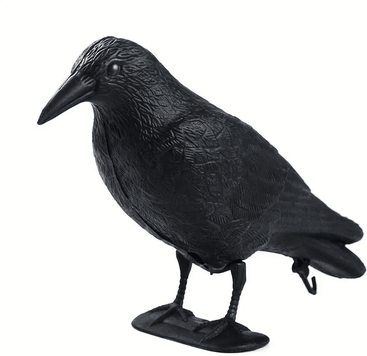
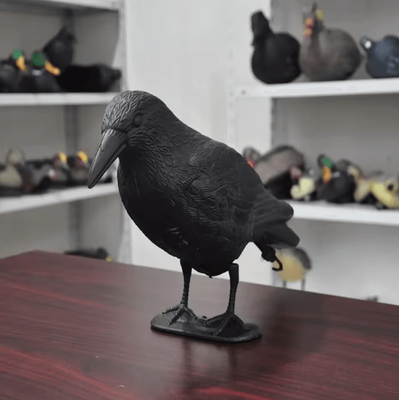
Inspire Essentials RealGuard Black Crow Decoy Realistic Bird Repellent For Garden, Yard, And Outdoor Pest Control RealGuard Black Crow Decoy Realistic Bird Repellent For Garden, Yard, And Outdoor Pest ControlBring peace back to your outdoor space with the black crow decoy that looks and feels remarkably real. Designed to deter pigeons, sparrows, and other unwanted birds, this realistic bird repellent uses lifelike detail and natural posture to keep...42,48 $*Shipping: 0,00 $Secure redirect to the provider
-
Lola Cosmetics She Is Carioca Rice Protein Hair Damage Control 500gA hair-care product. Rebuilds damaged and brittle hair from within. 3x more effective against split ends than silicones. Defines curls and smooths straight hair. Repairs damage from sun, salt, sweat, and chemical treatments. Rice Protein Complex: Strengthens and repairs the hair cortex. Ceramides: Restore moisture and reinforce the hair barrier.14,09 £*Shipping: 10,02 £Secure redirect to the provider
-
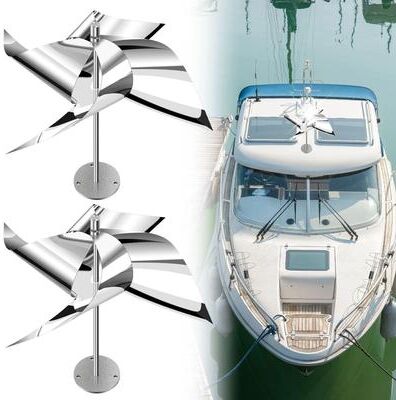
Multicon Wholesale Hub Reflective Bird Repellent Spinners, Wind Powered Rotation For Pigeons, Woodpeckers, And Outdoor Pest Control Reflective Bird Repellent Spinners, Wind Powered Rotation For Pigeons, Woodpeckers, And Outdoor Pest ControlProtect Your Outdoor Spaces from Birds with 2PCS Reflective Wind Bird Repellent Spinners If you're tired of battling bird damage in your garden, roof, or pool area, our 2PCS Reflective Wind Bird Repellent Spinners are the perfect solution. Crafted...81,97 $*Shipping: 0,00 $Secure redirect to the provider
-
Happy Pet Pantry Natural Flea And Tick Spray For Dogs & Pets Long Lasting Insect Repellent Treatment Natural Flea And Tick Spray For Dogs & Pets Long Lasting Insect Repellent TreatmentKeep your furry companions safe, comfortable, and itchfree with a gentle yet powerful solution designed for everyday protection. This flea and tick spray for dogs helps repel and eliminate unwanted pests while maintaining a fresh, odorfree coat....31,97 $*Shipping: 0,00 $Secure redirect to the provider


-
Are trophic levels and trophic levels the same thing in biology?
No, "trophic levels" and "trophic levels" are not the same thing in biology. "Trophic levels" refer to the hierarchical levels in an ecosystem based on an organism's position in the food chain, such as producers, primary consumers, secondary consumers, and so on. On the other hand, "trophic levels" appears to be a typographical error or a repetition of the term "trophic levels." In biology, it is important to use accurate and specific terminology to avoid confusion and miscommunication. **
-
Why do organisms become larger from trophic level to trophic level?
Organisms become larger from trophic level to trophic level due to the efficiency of energy transfer in ecosystems. As energy is transferred from one trophic level to the next, there is a loss of energy in the form of heat and metabolic processes. Larger organisms are able to consume more energy-rich food sources and have a more efficient metabolism, allowing them to grow in size as they move up the food chain. Additionally, larger organisms are better equipped to capture and consume prey, giving them a competitive advantage in obtaining energy and resources. **
-
Why do organisms get larger from trophic level to trophic level?
Organisms tend to get larger from one trophic level to the next because as energy is transferred up the food chain, there is a loss of energy at each level. This means that organisms at higher trophic levels need to consume larger quantities of organisms from lower trophic levels to obtain enough energy to sustain themselves. Additionally, larger organisms are more efficient at capturing and consuming prey, allowing them to thrive at higher trophic levels. Finally, larger organisms have a lower surface area to volume ratio, which helps them retain heat and energy more effectively. **
-
Why does the biomass decrease from trophic level to trophic level?
Biomass decreases from trophic level to trophic level because energy is lost as it moves through the food chain. Organisms at each trophic level use some of the energy they consume for their own metabolic processes, such as respiration and movement, and the rest is lost as heat. This means that there is less energy available to be passed on to the next trophic level, resulting in a decrease in biomass. Additionally, not all of the energy from one trophic level is consumed by the next level, as some is lost through waste and uneaten parts of organisms. **
What are trophic levels in biology?
Trophic levels in biology refer to the hierarchical levels in an ecosystem where organisms are grouped based on their feeding relationships. The primary producers, such as plants, are at the base of the trophic levels as they convert sunlight into energy through photosynthesis. Herbivores that feed on plants are at the next level, followed by carnivores that eat herbivores. Each trophic level represents a transfer of energy and nutrients through the ecosystem, with energy decreasing as it moves up the levels. **
What is the trophic level of omnivores?
Omnivores are organisms that consume both plants and animals, so their trophic level can vary. When they consume plants, they are considered primary consumers (herbivores) and when they consume animals, they are considered secondary consumers (carnivores). This means that omnivores can occupy multiple trophic levels within a food web, depending on their diet. **
Top-Angebote
Products related to Trophic:
-
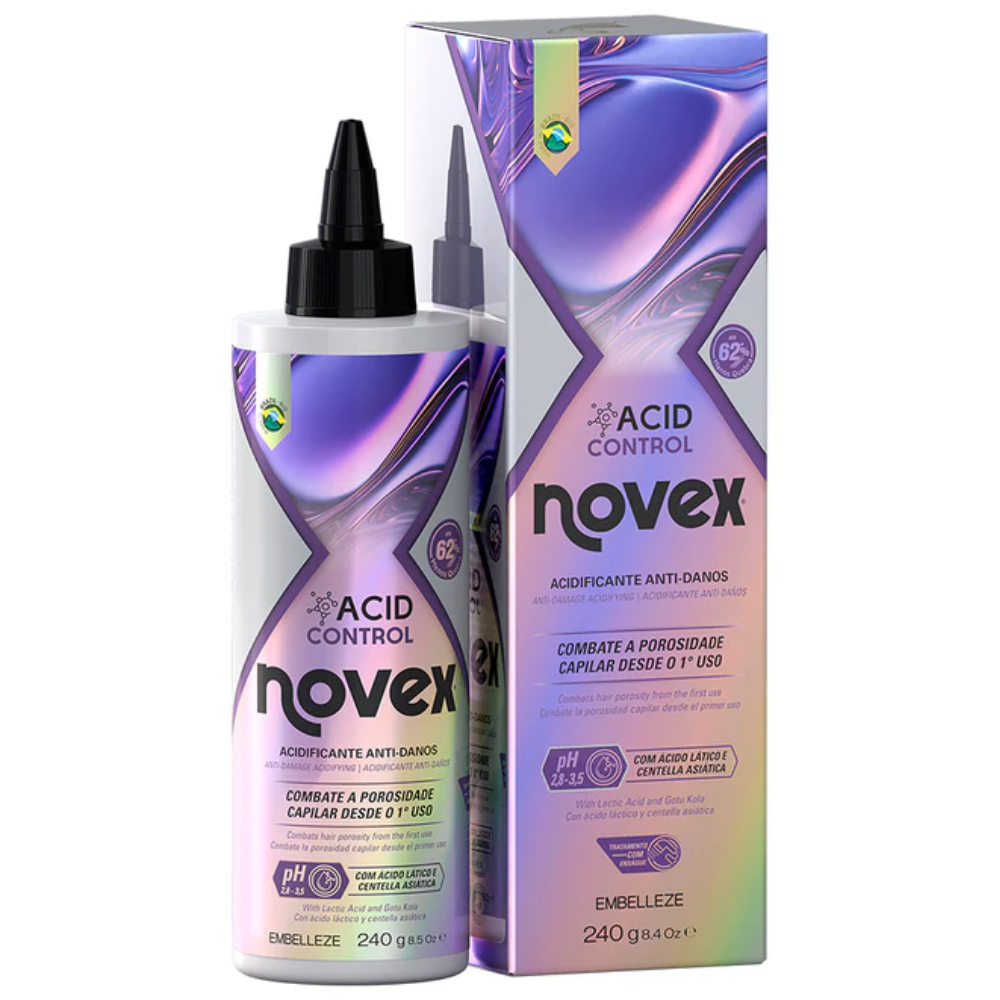
Novex Acid Control Anti-Damage Hair Acidifier 240gA facial cream. It designed to rebalance the pH of hair, sealing the cuticles for enhanced strength, shine, and a healthy appearance from the very first application. Rebalances hair pH and seals cuticles. Reduces porosity and frizz. Strengthens and thickens damaged strands. Repairs chemical damage with immediate effect.8,20 £*Shipping: 7,11 £Secure redirect to the provider
-
Inspired Deals Rechargeable Ultrasonic Mouse & Bat Repellent Pest Control Device Bird RepellerSay goodbye to unwanted pests invading your space with a smart, chemicalfree solution designed for modern living. The ultrasonic mouse repellent technology works silently in the background, helping create an uncomfortable environment for rodents and...44,97 $*Shipping: 0,00 $Secure redirect to the provider
-
Inspire Essentials RealGuard Black Crow Decoy Realistic Bird Repellent For Garden, Yard, And Outdoor Pest Control RealGuard Black Crow Decoy Realistic Bird Repellent For Garden, Yard, And Outdoor Pest ControlBring peace back to your outdoor space with the black crow decoy that looks and feels remarkably real. Designed to deter pigeons, sparrows, and other unwanted birds, this realistic bird repellent uses lifelike detail and natural posture to keep...42,48 $*Shipping: 0,00 $Secure redirect to the provider
-
Lola Cosmetics She Is Carioca Rice Protein Hair Damage Control 500gA hair-care product. Rebuilds damaged and brittle hair from within. 3x more effective against split ends than silicones. Defines curls and smooths straight hair. Repairs damage from sun, salt, sweat, and chemical treatments. Rice Protein Complex: Strengthens and repairs the hair cortex. Ceramides: Restore moisture and reinforce the hair barrier.14,09 £*Shipping: 10,02 £Secure redirect to the provider
-
What are trophic levels and trophic structures?
Trophic levels refer to the hierarchical levels in an ecosystem through which energy and nutrients flow. They represent the feeding positions of different organisms in a food chain or food web. Trophic structures, on the other hand, describe the organization of these trophic levels within an ecosystem. This includes the distribution of energy and nutrients among different organisms, as well as the interactions and relationships between them. Overall, trophic levels and trophic structures are important concepts for understanding the flow of energy and nutrients in ecosystems and the dynamics of food chains and food webs. **
-
Are trophic levels and trophic levels the same in biology?
No, trophic levels and trophic levels are not the same in biology. Trophic levels refer to the hierarchical levels in an ecosystem based on an organism's position in the food chain, such as producers, primary consumers, secondary consumers, etc. On the other hand, trophic cascades are the indirect effects that occur when a change in one trophic level impacts other trophic levels in the ecosystem. Both concepts are important in understanding the dynamics of energy flow and interactions within ecosystems. **
-
Are trophic levels and trophic levels the same thing in biology?
No, "trophic levels" and "trophic levels" are not the same thing in biology. "Trophic levels" refer to the hierarchical levels in an ecosystem based on an organism's position in the food chain, such as producers, primary consumers, secondary consumers, and so on. On the other hand, "trophic levels" appears to be a typographical error or a repetition of the term "trophic levels." In biology, it is important to use accurate and specific terminology to avoid confusion and miscommunication. **
-
Why do organisms become larger from trophic level to trophic level?
Organisms become larger from trophic level to trophic level due to the efficiency of energy transfer in ecosystems. As energy is transferred from one trophic level to the next, there is a loss of energy in the form of heat and metabolic processes. Larger organisms are able to consume more energy-rich food sources and have a more efficient metabolism, allowing them to grow in size as they move up the food chain. Additionally, larger organisms are better equipped to capture and consume prey, giving them a competitive advantage in obtaining energy and resources. **
Similar search terms for Trophic
-
Multicon Wholesale Hub Reflective Bird Repellent Spinners, Wind Powered Rotation For Pigeons, Woodpeckers, And Outdoor Pest Control Reflective Bird Repellent Spinners, Wind Powered Rotation For Pigeons, Woodpeckers, And Outdoor Pest ControlProtect Your Outdoor Spaces from Birds with 2PCS Reflective Wind Bird Repellent Spinners If you're tired of battling bird damage in your garden, roof, or pool area, our 2PCS Reflective Wind Bird Repellent Spinners are the perfect solution. Crafted...81,97 $*Shipping: 0,00 $Secure redirect to the provider
-
Happy Pet Pantry Natural Flea And Tick Spray For Dogs & Pets Long Lasting Insect Repellent Treatment Natural Flea And Tick Spray For Dogs & Pets Long Lasting Insect Repellent TreatmentKeep your furry companions safe, comfortable, and itchfree with a gentle yet powerful solution designed for everyday protection. This flea and tick spray for dogs helps repel and eliminate unwanted pests while maintaining a fresh, odorfree coat....31,97 $*Shipping: 0,00 $Secure redirect to the provider
-
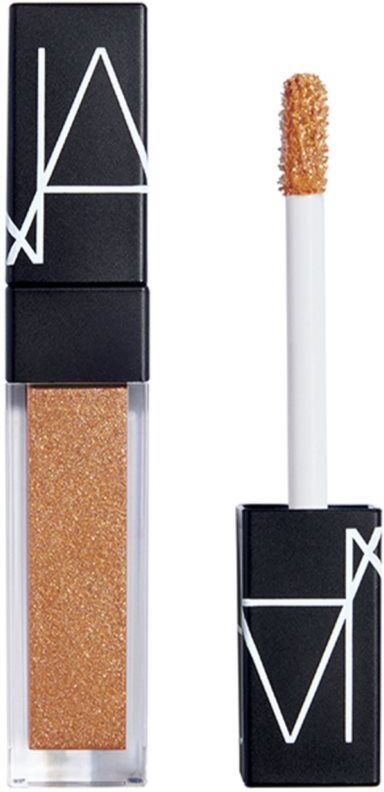
NARS Sparked Liquid Eyeshadow liquid glitter eyeshadow shade DAMAGE CONTROL 3.5 mlNARS Sparked Liquid Eyeshadow, 3.5 ml, Eyeshadows for Women, Do you tend to hit the same few shades in your favourite eyeshadow palette but you just can’t do without them? Or are you travelling and can only fit the essentials in your toiletry bag? Thanks to its compact size, the NARS Sparked Liquid Eyeshadow eyeshadow won’t take up much room, so you can always have it on hand, be it by itself in your purse or as an accessory to your favourite palette. This allows you to give your lids a pop of colour or define the shape of your eyes to your liking, giving every makeup look a new dimension, no matter what your reason for getting them is. The formula ensures even pigment coverage, easy application and seamless blending without unwanted harsh transitions. Characteristics: long-lasting do not smudge in the crease of the eyelid washes out easily sparkling effect ophthalmologically tested26,18 £*Shipping: 3,99 £Secure redirect to the provider
-
Uplift Curations Outdoor Garden Bird Repellent Raven Decoy Black Simulation Crow Decoration For Pest Control And Pigeon Deterrent Outdoor Garden Bird Repellent Raven Decoy Black Simulation Crow Decoration For Pest Control And Pigeon DeterrentKeep your garden free from pests with this realistic garden bird repellent designed to deter unwanted birds and protect outdoor spaces. This striking black simulation raven doubles as an outdoor raven decoration while helping scare off pigeons,...77,50 $*Shipping: 0,00 $Secure redirect to the provider
-
Why do organisms get larger from trophic level to trophic level?
Organisms tend to get larger from one trophic level to the next because as energy is transferred up the food chain, there is a loss of energy at each level. This means that organisms at higher trophic levels need to consume larger quantities of organisms from lower trophic levels to obtain enough energy to sustain themselves. Additionally, larger organisms are more efficient at capturing and consuming prey, allowing them to thrive at higher trophic levels. Finally, larger organisms have a lower surface area to volume ratio, which helps them retain heat and energy more effectively. **
-
Why does the biomass decrease from trophic level to trophic level?
Biomass decreases from trophic level to trophic level because energy is lost as it moves through the food chain. Organisms at each trophic level use some of the energy they consume for their own metabolic processes, such as respiration and movement, and the rest is lost as heat. This means that there is less energy available to be passed on to the next trophic level, resulting in a decrease in biomass. Additionally, not all of the energy from one trophic level is consumed by the next level, as some is lost through waste and uneaten parts of organisms. **
-
What are trophic levels in biology?
Trophic levels in biology refer to the hierarchical levels in an ecosystem where organisms are grouped based on their feeding relationships. The primary producers, such as plants, are at the base of the trophic levels as they convert sunlight into energy through photosynthesis. Herbivores that feed on plants are at the next level, followed by carnivores that eat herbivores. Each trophic level represents a transfer of energy and nutrients through the ecosystem, with energy decreasing as it moves up the levels. **
-
What is the trophic level of omnivores?
Omnivores are organisms that consume both plants and animals, so their trophic level can vary. When they consume plants, they are considered primary consumers (herbivores) and when they consume animals, they are considered secondary consumers (carnivores). This means that omnivores can occupy multiple trophic levels within a food web, depending on their diet. **
* All prices are inclusive of VAT and, if applicable, plus shipping costs. The offer information is based on the details provided by the respective shop and is updated through automated processes. Real-time updates do not occur, so deviations can occur in individual cases. ** Note: Parts of this content were created by AI.